
Exhibit open
July 4th, 2026 – December 31st, 2026
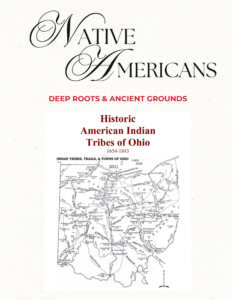 We would like to begin by acknowledging that the land on which we live and gather in Jackson, Ohio, is the traditional and ancestral homeland of the Shawnee, Lenape (Delaware), and Mingo peoples. We recognize the enduring relationship that exists between these Indigenous peoples and this land, and we honor and respect the generations of stewards who have cared for these waters and forests since time immemorial.
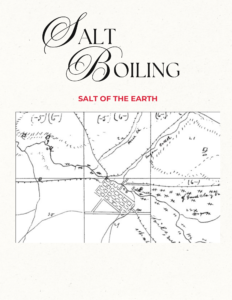 Long before Jackson County was mapped or settled, the naturally occurring brine springs along Salt Lick Creek served as a gathering spot for animals and humans alike. For millennia, prehistoric megafauna and Native American tribes frequented these “Scioto Salt Licks,” establishing deeply carved trails that would later guide European traders and frontiersmen to Ohio’s pioneer industry. Salt was a precious frontier luxury commanding steep prices; the heritage of these early industrial pioneers laid the literal and economic foundations for Jackson County.
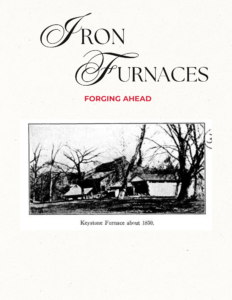 By the mid-1800s, this region became a powerhouse within the famous Hanging Rock Iron Region, a geographic area blessed with an incredible trifecta of natural resources: iron ore, limestone, and vast forests. Huge, hand-hewn stone blast furnaces soon dominated the landscape. Driven by the sweat of hundreds of colliers, miners, and teamsters, these massive structures burned around the clock, consuming entire acres of timber and later coal to produce high-quality iron. Jackson County iron forged the gears of American expansion.
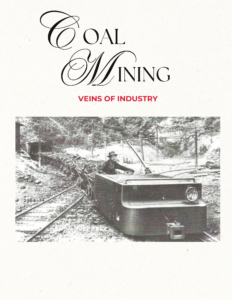 The discovery of the famous Sharon No. 1 coal seam—and the subsequent opening of the historic Jackson Shaft in 1863—unlocked a highly prized, low-sulfur “burning flint” coal that required no preprocessing to fuel iron blast furnaces. This geological jackpot triggered an unprecedented subterranean boom, transforming sleepy rural outposts into bustling, company towns across the county. For years, miners labored to fuel the region’s iron furnaces, foundries, and expanding rail lines.
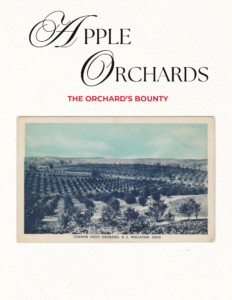 In the early to mid-1900s, local growers discovered that the region’s microclimates and rolling, well-drained ridges provided the perfect conditions for growing world-class fruit. Orchards flourished, turning Jackson County into one of Ohio’s premier apple-producing regions, shipping trainloads of apples across the nation. This industry brought the community together, ultimately inspiring the birth of the beloved Jackson County Apple Festival in 1937 to celebrate the annual harvest.
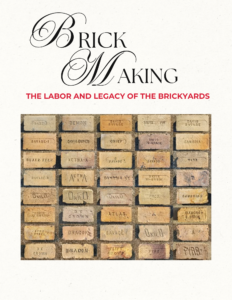 Jackson County tapped into another geological treasure: its massive deposits of high-grade clay and shale. This rich resource gave rise to a brick-making industry, heavily anchored in the southern part of the county around Oak Hill. Local manufacturers realized the area’s specialized fireclay could withstand extreme temperatures, making Jackson County’s “firebricks” globally sought after to line the intense blast furnaces and steel mills of the Industrial Revolution. The brick yards made millions of paving blocks and structural bricks that built the roads, homes, and factories of growing Midwestern cities
 Beginning with a small group of families in 1818, Jackson County became the destination for one of the most significant Welsh migrations in American history. Fleeing economic hardship in Cardiganshire, Wales, these immigrants established close-knit farming settlements like the famous “Cardigan Settlement” and Oak Hill. Drawn by the landscape and industries, thousands more Welsh immigrants followed over the next century, bringing with them a rich cultural tradition that fundamentally defined the region’s identity. festivals.

